



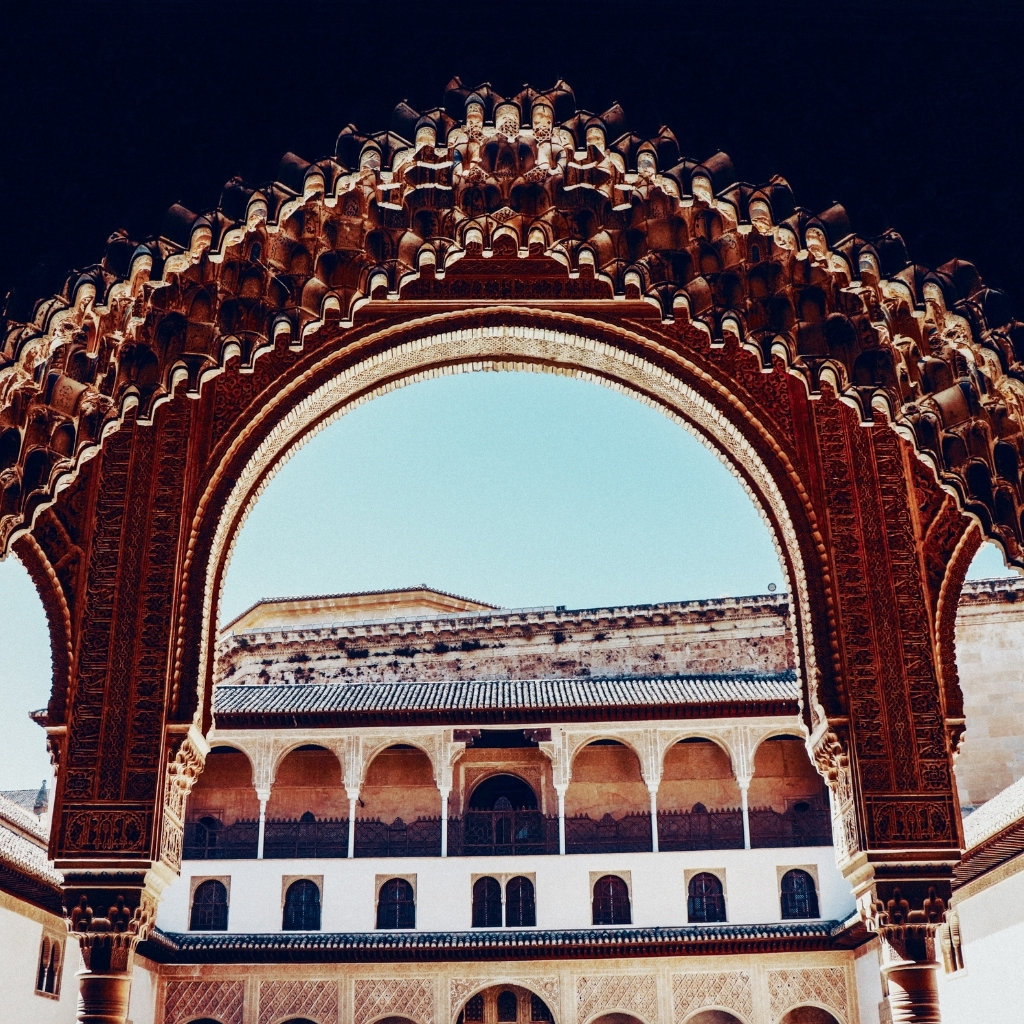
Granada is a city that blends nature, culture, and history in a special way. Its streets, neighborhoods, and hidden corners conceal secrets and interesting facts that not everyone knows, beyond the famous Alhambra or Albaicín.
Today, we wanted to list some interesting facts about Granada, from ancient traditions to urban secrets and striking details that will surely make you fall in love with this city.
Free tapas: a lasting tradition
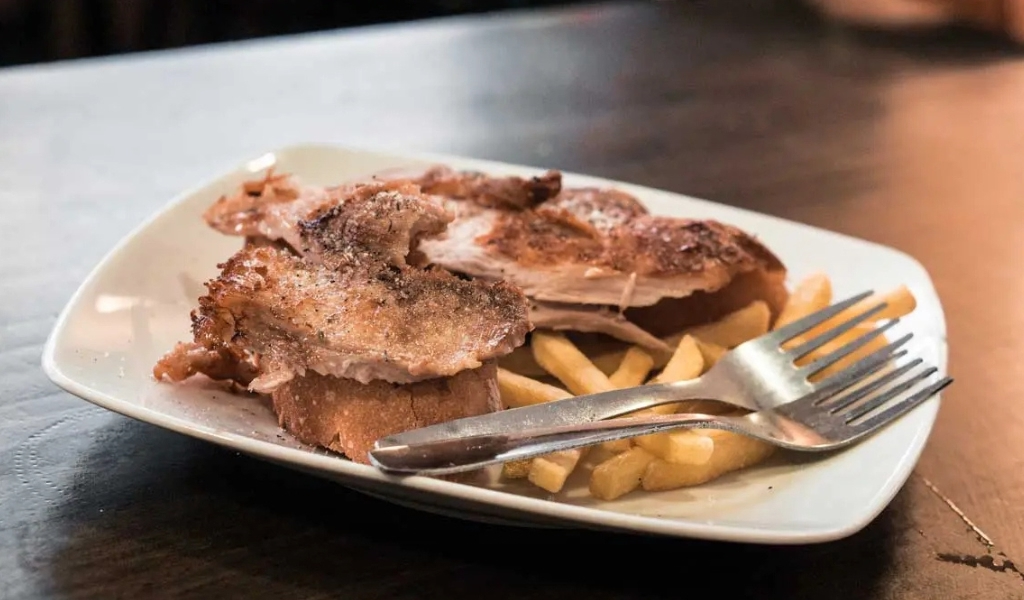
We start with one of Granada’s most striking curiosities for visitors. In Granada, it’s customary to serve free tapas with your drink, a tradition few places in Spain maintain so deeply rooted.
But do you know where this tradition comes from? It is said there are several explanations, one of the most accepted being that in the Middle Ages, bars used to cover drink glasses with bread or cured meats to protect them from dust and insects. Over time, this evolved into a culinary custom that is now part of the city’s culture.
Sierra Nevada: sun, snow, and beach in one day
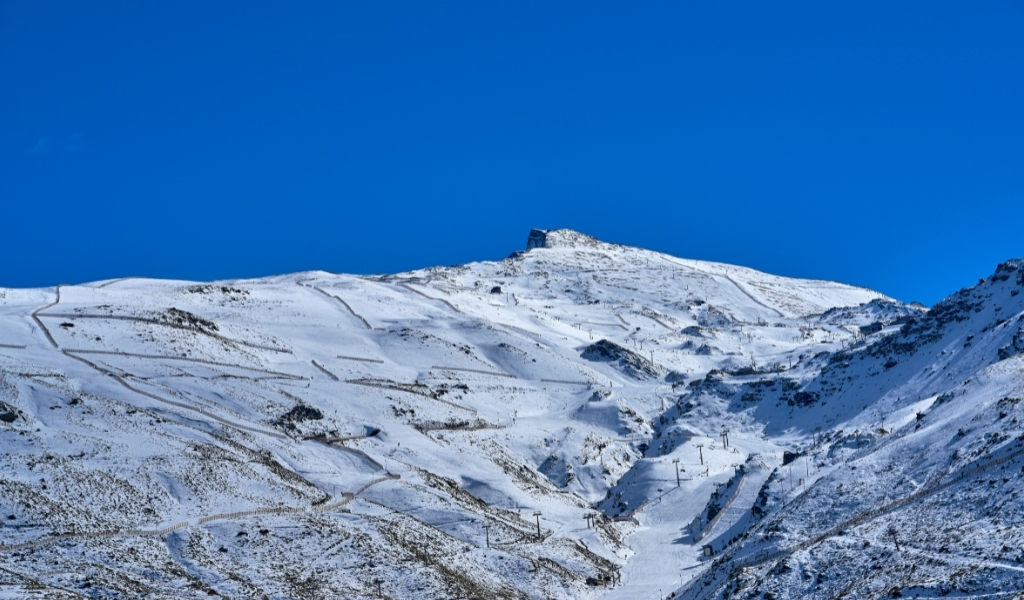
If we talk about geographical curiosities, one stands out quite remarkably. You have the Sierra Nevada, located just 30 km from the city, where you can ski on its slopes and enjoy the snow for much of the winter. But the Costa Tropical is only 50 km away, where you’ll find a warm climate.
Therefore, in Granada, you can ski in the morning and swim at the beach in the afternoon, a rather unique offering that few cities in the world provide. The mix of sea and mountains makes Granada a unique destination for nature lovers and active tourism.
The Albaicín and the symbolism of its streets
If we’re talking about interesting facts, we must mention the Albaicín, the old Arab quarter. It’s very peculiar because it maintains narrow, steep streets full of history. Its architecture is not accidental: it’s designed that way to protect against invaders and to take advantage of the breeze, making its streets cool in summer and quite cozy all year round.
But they are also a historical map, where every street and square reflects the coexistence between Muslims, Jews, and Christians. It’s fantastic to walk through it and get lost in its narrow alleys, stopping at its viewpoints with incredible views of the Alhambra and Sierra Nevada.
The Alhambra: from fortress to Nasrid palace
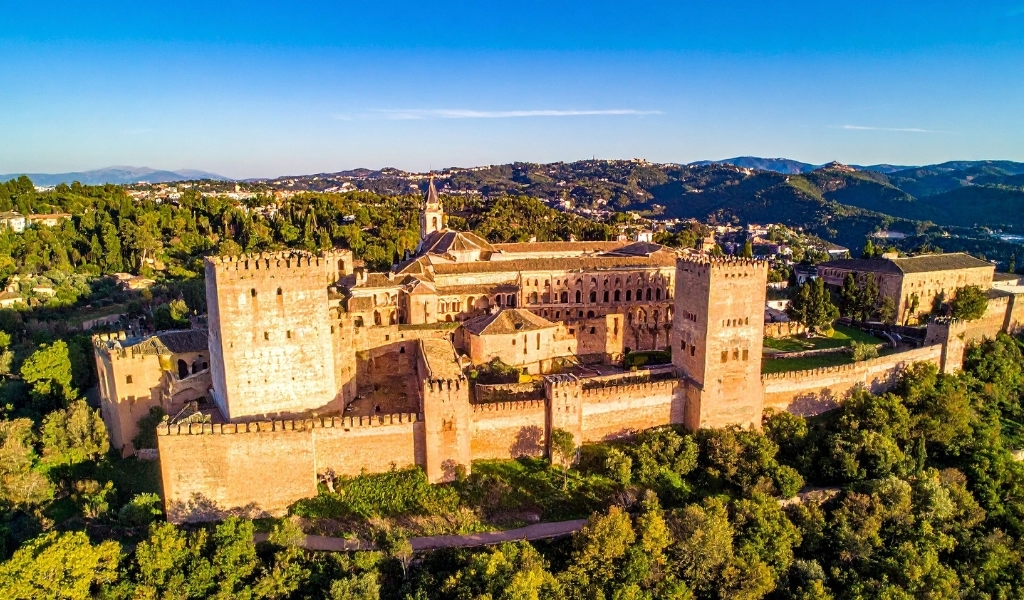
The Alhambra is well-known as a Nasrid palace, but one of its interesting facts is that it began as a military fortress in the 9th century. Its name comes from the Arabic “Al-Ḥamrā’”, meaning “the red one,” due to the reddish hue of its walls at sunset.
It is a great example of Islamic art in Spain, with a unique balance between architecture, gardens, and sophisticated water systems. Most people think it’s just a palace, but its military and strategic origin makes it an icon of Granada’s defensive and political history.
Fountain of Battles: a curious monument
In the center of Granada, you’ll find the Fuente de las Batallas (Fountain of Battles), a monument commemorating ancient battles and historical events of the city. It’s worth noting that the fountain’s spouts represent ancient weapons and shields from the Reconquista era, serving as a symbol of how urban art can tell stories of the past.
Historic cemeteries: memory of cultures
In the San José Cemetery, we find gravestones dating back to the 16th century, reflecting how Granada has blended Christian, Jewish, and Muslim cultures after the Reconquista. The cemetery is quite beautiful, featuring statues, inscriptions, and symbols that narrate centuries of Granadan life.
Streets with curious stories: the Street of Broken Shoes
Another interesting fact about Granada is that it has a street called the Calle de los Zapatos Rotos (Street of Broken Shoes), whose name refers to the shoemakers and street vendors who used to be in the area. Each street tells small stories of the city’s past labor and artisan traditions.
Sacromonte and its Gypsy caves: cradle of flamenco
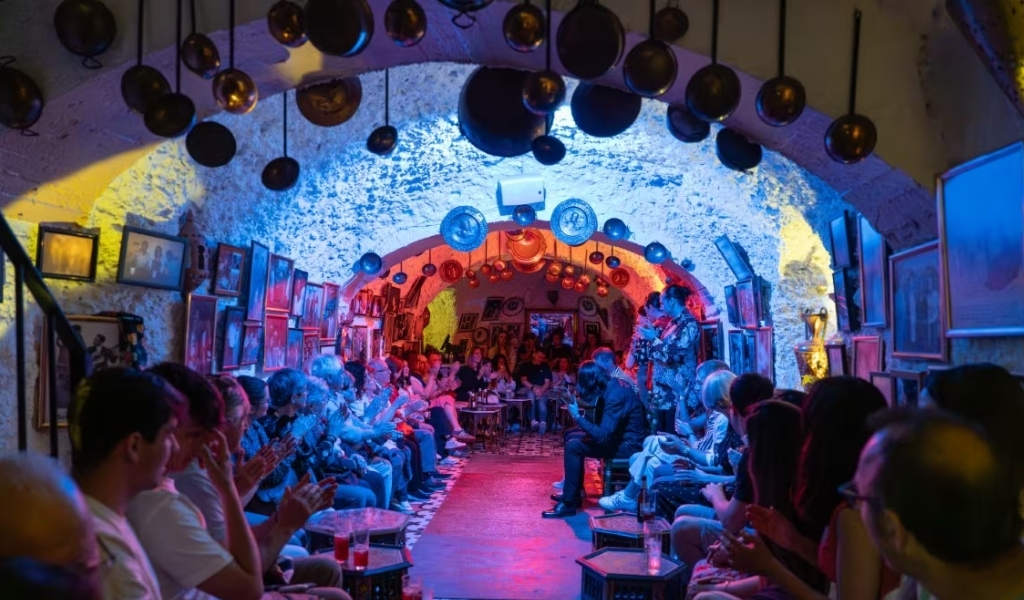
The Sacromonte is an emblematic neighborhood of the city, known for its cave-houses that have served as homes for Gypsy families for centuries. These cave-houses, dug into the hillside, have a natural microclimate: they are quite warm in winter and cool in summer.
But one of Sacromonte’s interesting facts is that it is the epicenter of authentic Granadan flamenco. In fact, it is said to be the origin of flamenco zambras, a type of cultural show that combines music, history, and tradition.
Today, the neighborhood remains a magical place, with guitar workshops, flamenco caves, historic taverns, and festivals celebrating Gypsy culture.
Tradition of the pomegranate sacrifice
We find some traditional festivals in Granada where it is still customary to open pomegranates to bring good luck for the year. It is a very old ritual and symbolizes prosperity and fertility, values that Granadans have celebrated for centuries.
Lesser-known viewpoints: secret views
As we mentioned, Granada has multiple viewpoints, but some are hidden and not as well-known. For example, the Mirador de la Churra or the gardens of the Carmen de los Mártires are ideal for observing the city without crowds.
Genil River: history and nature
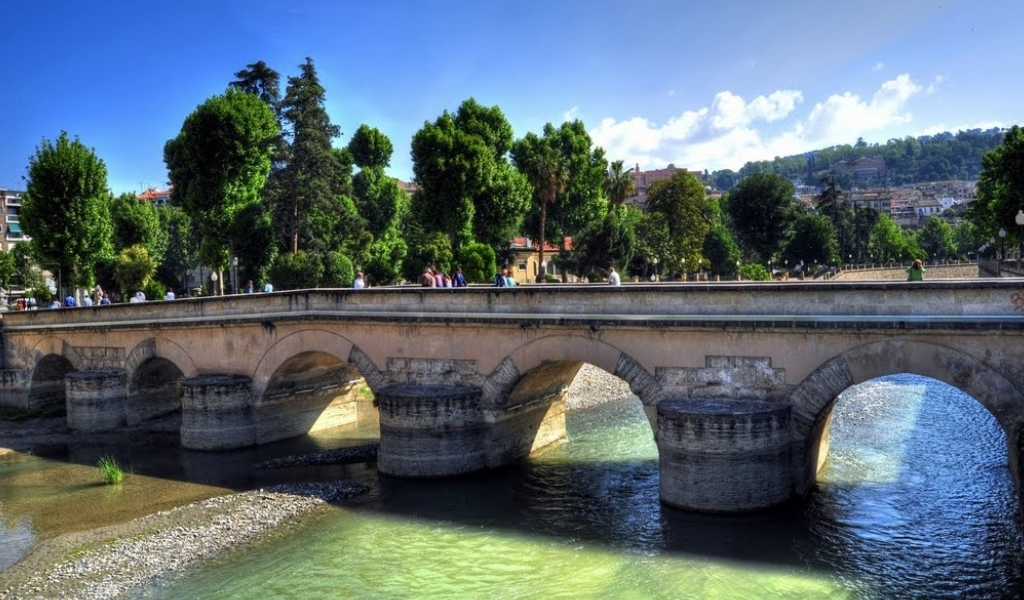
To continue with more interesting facts about Granada, we can talk about its Genil River, which flows through the city and is not only a natural resource but historically marked trade routes and settlements. Today, it’s perfect for hiking, cycling, and leisurely strolls, connecting urban life with the surrounding nature.
The Realejo neighborhood: history and alternative culture
Granada has an old Jewish quarter, known as the Realejo, a clear example of how history and contemporary life intertwine. It has streets with curious names and houses full of history, plus some graffiti, murals, and cultural venues reflecting an alternative and creative Granada.
Corpus Christi Festival: a spectacle of color
Among the city’s most typical festivals, we highlight Corpus Christi, which features parades, and the city is usually decorated with flowers and lights. This tradition blends religion, art, and community, attracting both locals and tourists every year.
Traditional markets: flavor and tradition
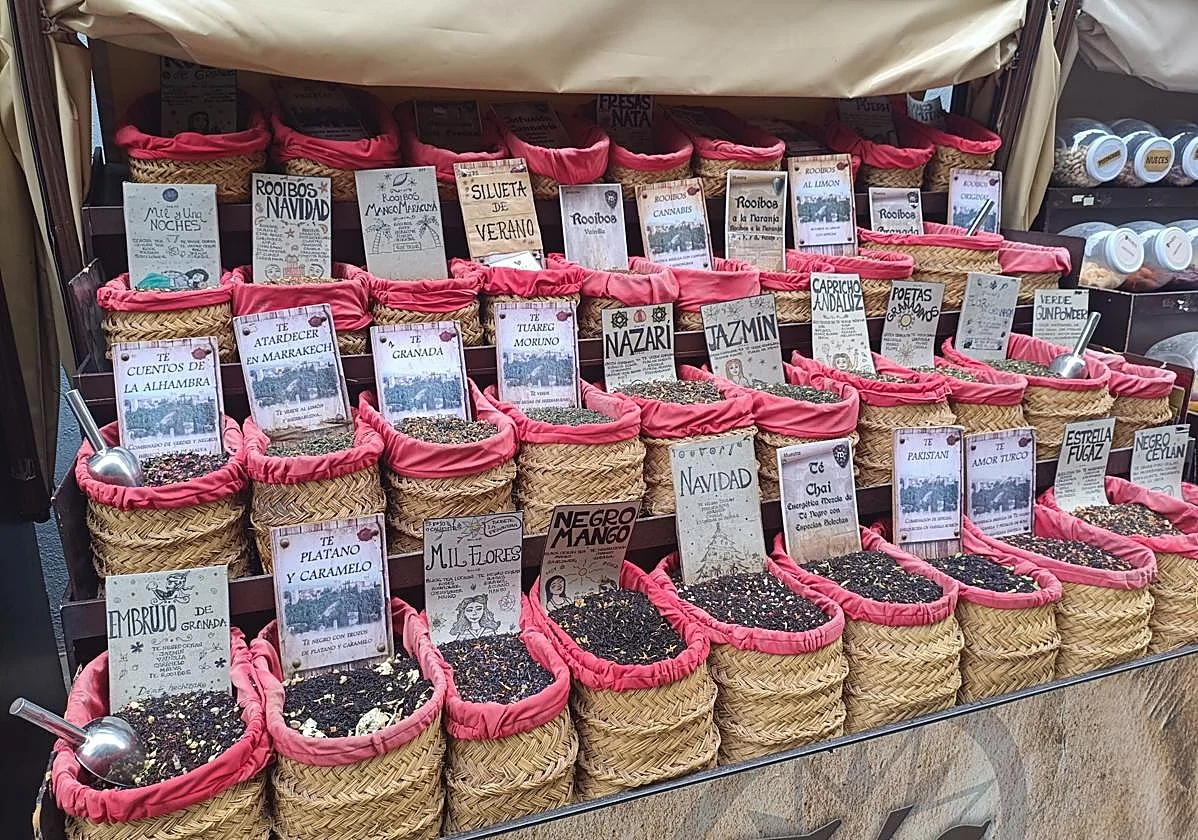
There are some traditional markets like San Agustín and the Alcaicería whose existence dates back centuries. In these markets, you’ll find typical Granada products, for example, Sierra Nevada honey, local cured meats, and spices.
Urban legends: ghosts and mysteries
Granada is a city that harbors many mysteries and unsettling legends. It is a “haunted city” plagued by ghost stories and urban legends, especially in the Albaicín and in some buildings like the Hospital Real or old houses in Realejo. Locals claim that footsteps and voices from the past can still be heard, a fascinating mix of history and mystery, especially for lovers of the paranormal.
The cármenes: gardens and typical architecture
The cármenes are houses with typical Granada gardens, built by nobles who sought orchards and flowers right in the city. Currently, many have been transformed into bars, restaurants, or museums, maintaining the essence of Granadan architecture and the connection with nature.
Culinary traditions and local gastronomy

In addition to its famous tapas, Granada’s gastronomy is incredible, a reflection of its multicultural history. You must try typical Granada dishes, such as its orange salad known as “remojón granadino” or the Alpujarreño dish. It also has typical sweets like pionono, Arab sweets, and oil cakes that have Arab roots mixed with Christian customs, making Granadan gastronomy a reflection of its past.
Granada is a city full of secrets, traditions, stories, and interesting facts that fascinate its visitors. From its free tapas to the Sacromonte caves, passing through its incredible viewpoints, traditional markets, and urban legends, Granada is a fantastic city. If you haven’t visited yet, what are you waiting for?