



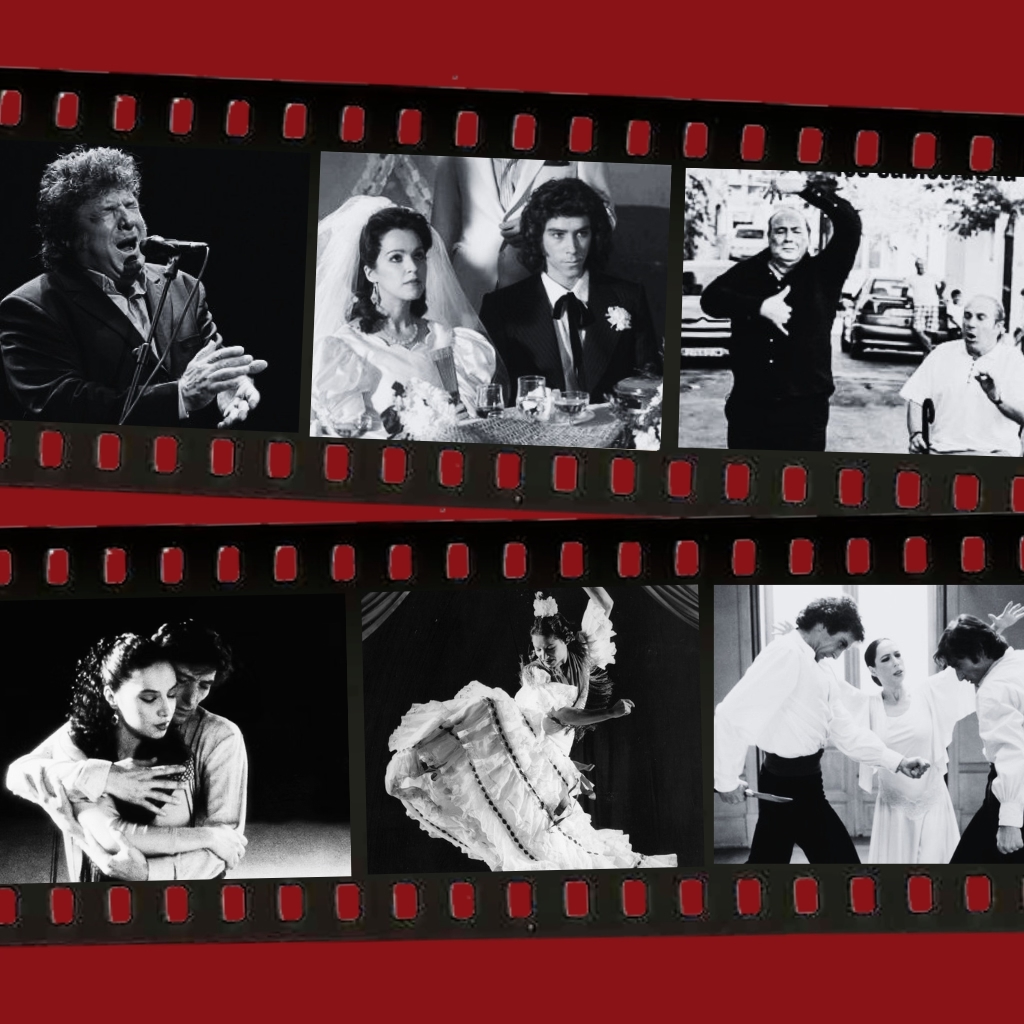
If you are looking for Flamenco films or Flamenco documentaries, this list is for you.
Flamenco is one of the deepest and most passionate cultural expressions in the world.
Born in Andalusia, it has transcended borders and become a universal artistic language. However, to truly understand it, it’s not enough to see it on stage; it’s also necessary to explore it through cinema and documentaries.
In this guide, you will find a complete ranking of 20 Flamenco documentaries and films, including essential classics, works from the 80s, 90s, and 2000s, and more recent productions that show the genre’s evolution.
Flamenco Films and Documentaries You Must See
1. Flamenco (Carlos Saura, 1995)
A masterpiece of Flamenco cinema. Carlos Saura transforms the studio into a temple of singing, dancing, and guitar without any artifice. Intense, emotional, and minimalist.
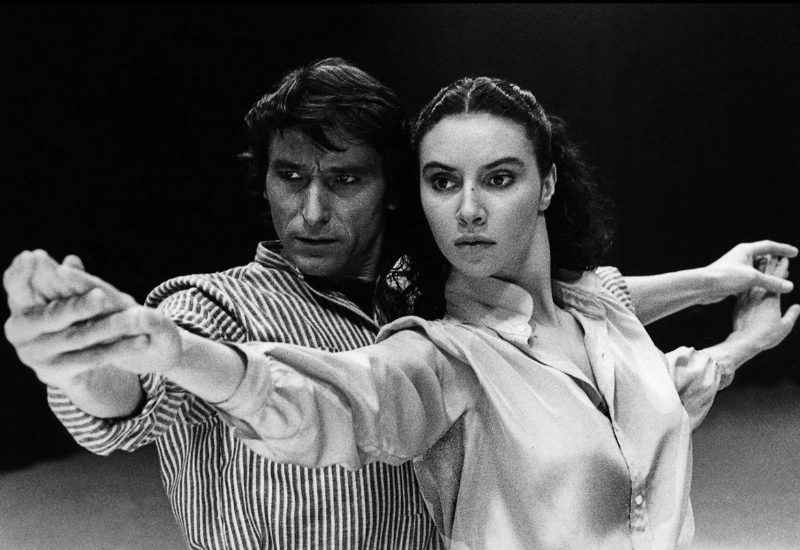
2. Flamenco, Flamenco (2010, Carlos Saura)
An aesthetic continuation of Saura’s universe. A visual spectacle where light and color merge with the rhythm of contemporary Flamenco.
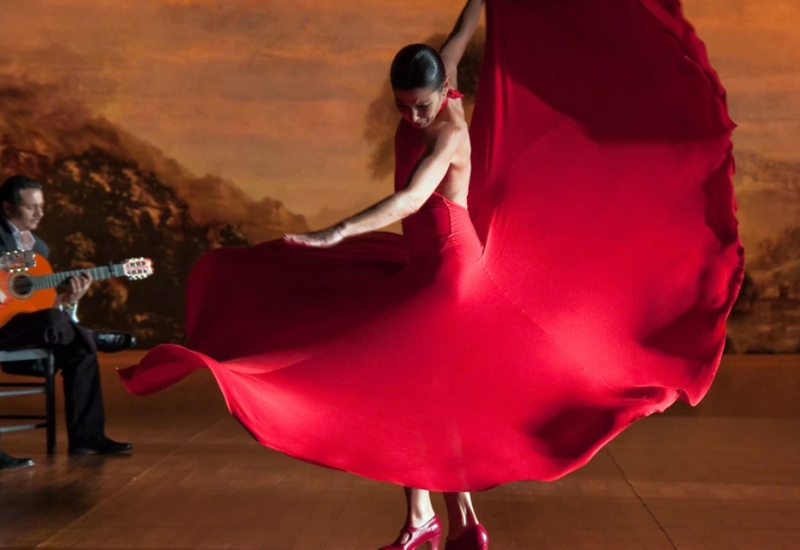
3. Carmen (1983 film)
Saura reinvents the myth of Carmen through Flamenco. A film within a film that combines essay, dance, and fiction.
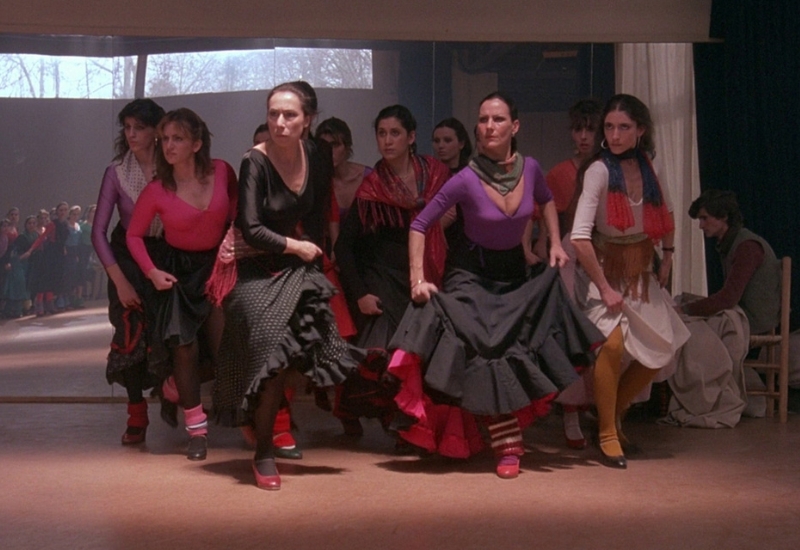
4. Blood Wedding (1981 film) (1981)
A key piece of Flamenco cinema, based on Lorca and choreographed by Antonio Gades. Pure theatrical passion.
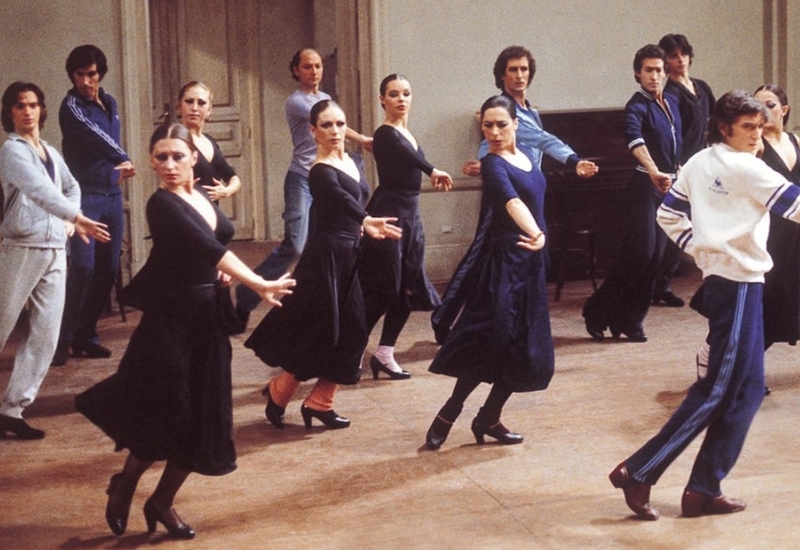
5. El amor brujo (1986 film) (1986)
Another collaboration between Saura and Gades. A dance, music, and gypsy narrative, in a magical and symbolic atmosphere.
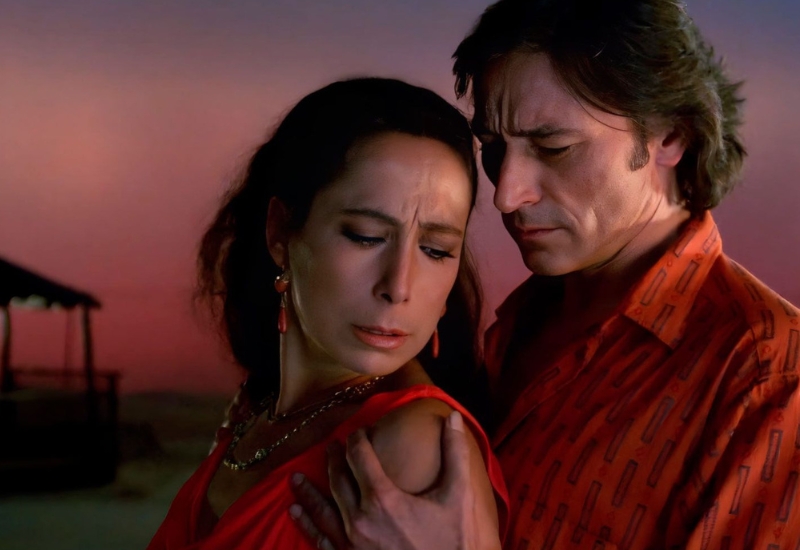
6. Sevillanas (1992)
One of the most important films to understand Andalusian folklore. Saura delves into the dance and cultural identity of sevillanas.
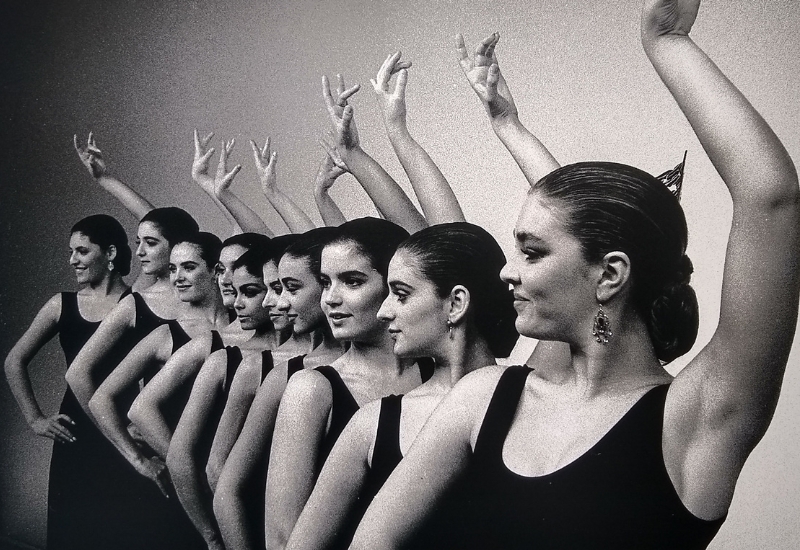
7. Camarón (film) (2005)
Camarón is a film that tells the life story of Camarón de la Isla, the most influential modern Flamenco singer. An essential film to understand the revolution of cante in the 20th century.
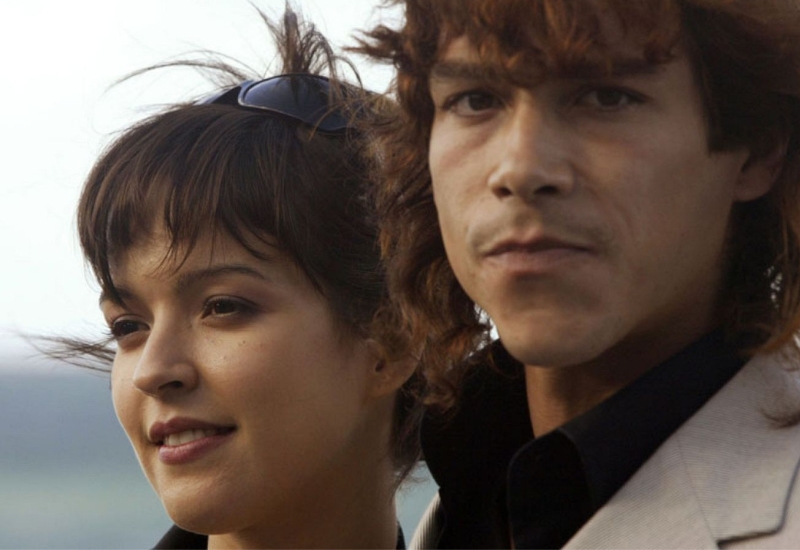
8. The Legend of Time (2006)
Directed by Isaki Lacuesta, it combines fiction and documentary to delve into Camarón’s legacy and the evolution of contemporary Flamenco.
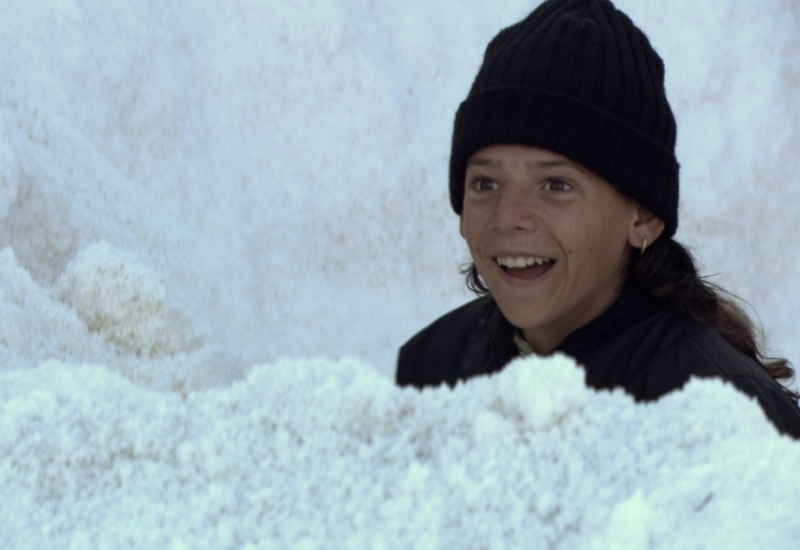
9. Vengo (2000)
Directed by Tony Gatlif, it is a blend of Flamenco and gypsy storytelling. Music and cinema unite in a story of honor, family, and tradition.
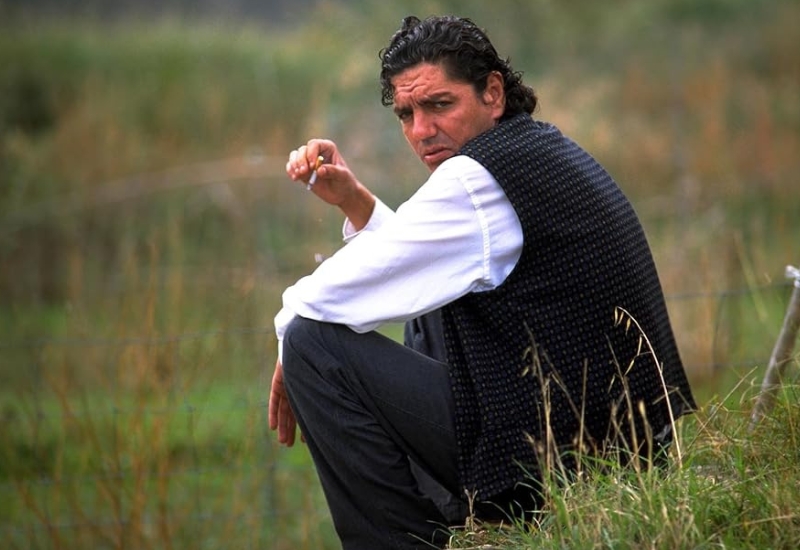
10. Flamenco (2010 film)
A great work by Saura where Flamenco is shown as a total sensory experience. Perfect for lovers of visual art.
11. Cante de las minas (documentary)
A documentary about the prestigious Cante de las Minas festival, one of the great references of Spanish Flamenco.
12. Rite and Geography of Cante (1970s)
Fundamental documentary series that analyzes Flamenco from an anthropological perspective. An invaluable historical archive.
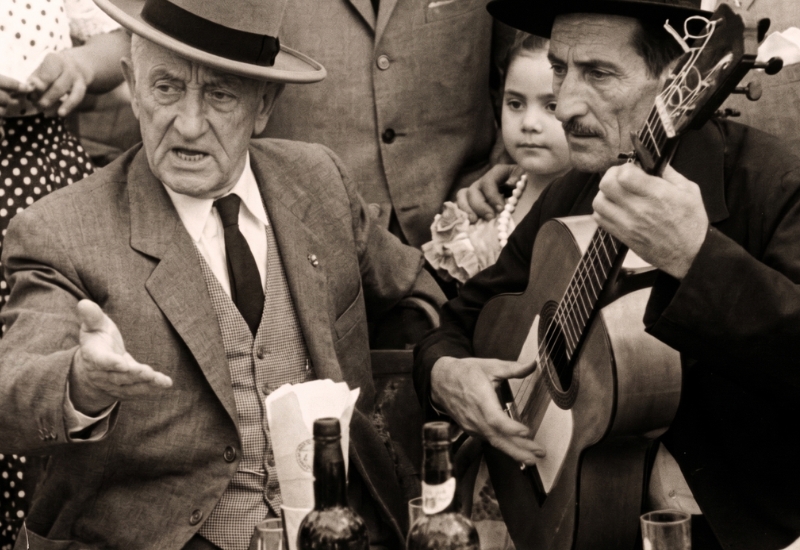
13. Flamenco Today
A contemporary documentary that shows how Flamenco adapts to new times, without losing its essence.
14. Camarón: When Cante is Free (2018)
A more intimate portrait of the genius Camarón de la Isla, with unreleased material and testimonies from his closest people.
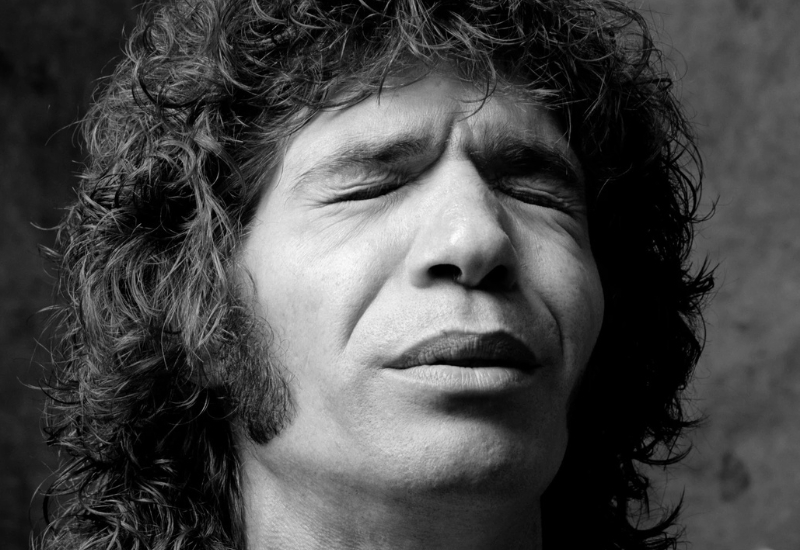
15. Morente: Picasso’s Barber (2011)
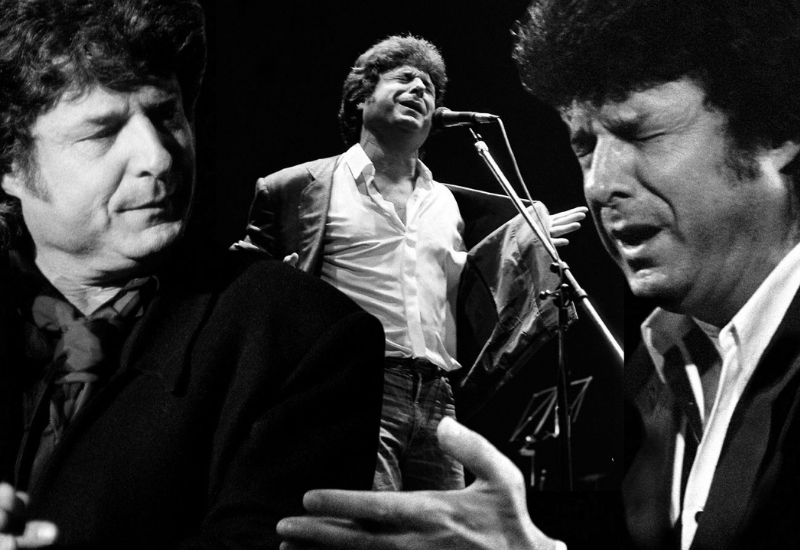
A tribute to Enrique Morente, an essential figure of contemporary Flamenco who broke barriers between tradition and avant-garde.
16. Sacromonte, the Sages of the Tribe
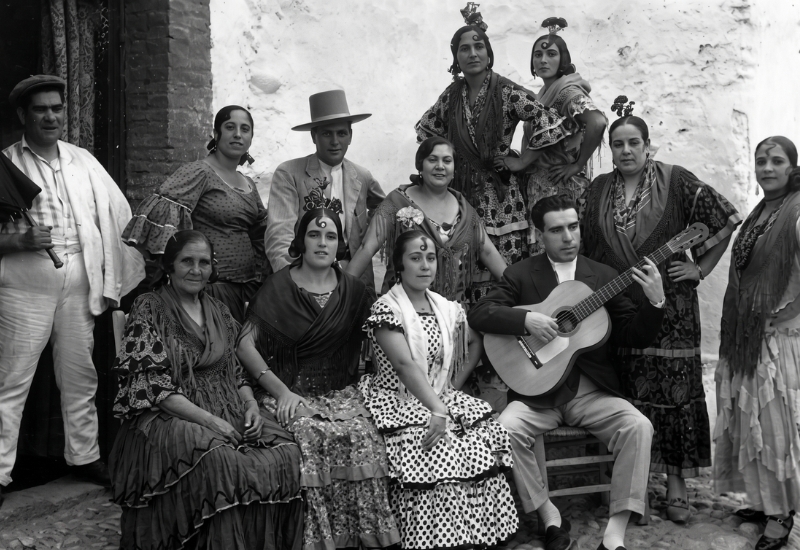
Documentary about the Granada neighborhood of Sacromonte, cradle of Flamenco artists and gypsy tradition.
17. Flamenco from the Roots
A review of the origins of pure cante, delving into the oldest styles and their oral transmission.
18. The Paths of Flamenco
Documentary series that travels through different regions to show how Flamenco continues to evolve in the 21st century.
19. Art and Duende (1990s)
Production based on the concept of Flamenco “duende,” that inexplicable emotion that defines jondo art.
20. Flamenco, Passion and Life (2000)
A contemporary documentary that, through interviews, live performances, and reflection, explores the current Flamenco identity.
Flamenco Cinema: Tradition, Emotion, and Evolution
This top 20 list of Flamenco documentaries and films demonstrates how cinema has become an essential instrument for preserving, disseminating, and reinterpreting this art.
From Carlos Saura’s iconic work, Flamenco (1995 film), to the biographical intensity of Camarón (film), Flamenco has found in audiovisual media a way to reach new generations without losing its essence.
Productions from the 80s and 90s, such as Blood Wedding (1981) or Carmen (1983), marked a golden age where Flamenco became a cinematic language.
Later, films like The Legend of Time or Vengo showed an evolution towards more current plots, combining tradition and modernity.
Flamenco in Modern Cinema: A New Vision
In the 21st century, Flamenco has continued to evolve in cinema. Documentaries like Morente: Picasso’s Barber or Camarón de Córdoba: En los cantes libres offer a more intimate view of the artists, exploring not only their music but also their personal lives and cultural impact.
The result is a more human, more accessible, and more universal Flamenco.
Flamenco is not just a live spectacle. Its essence is also alive in cinema, in documentaries, and in the stories that surround it.