



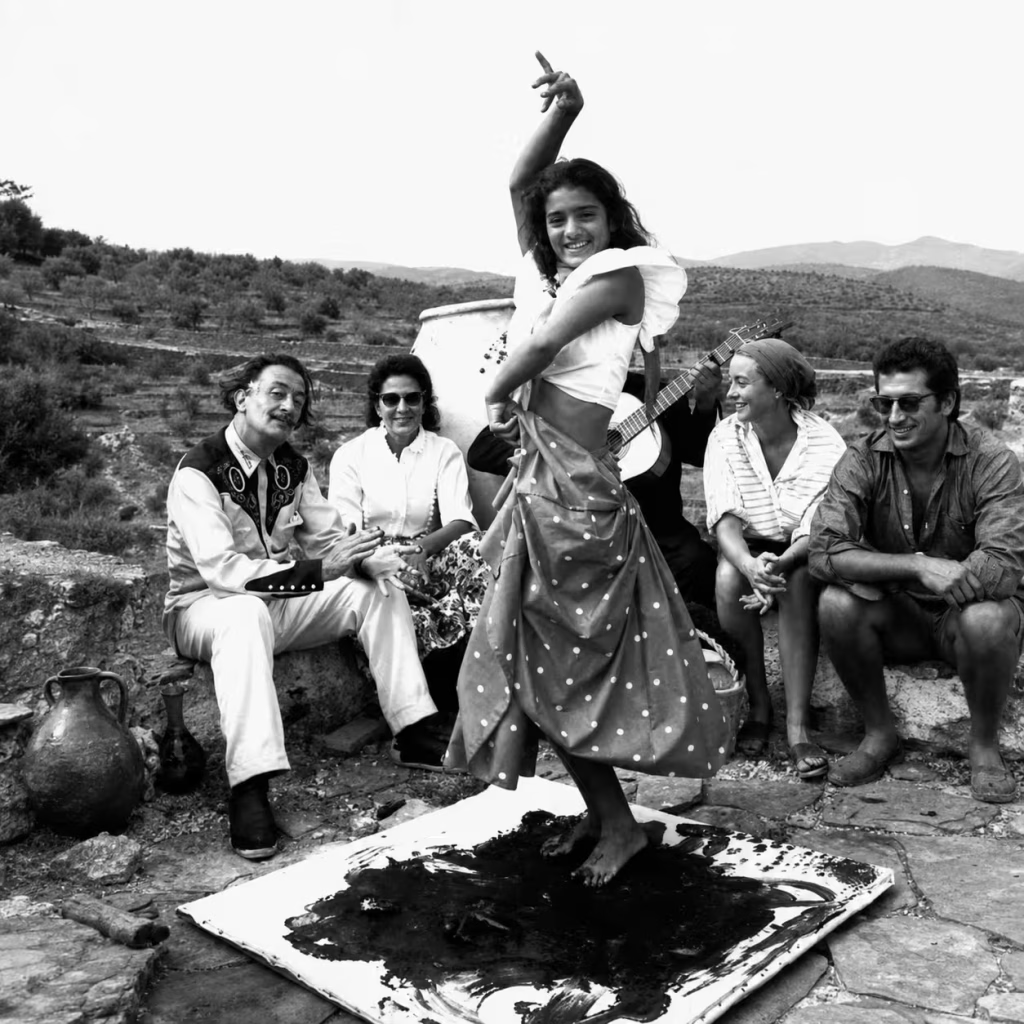
Flamenco cannot be understood without its women. Behind every beat, every footwork sequence, and every arm movement, there are generations of bailaoras who transformed a popular Andalusian art form into a universal language of emotion and discipline. Choosing “the best” is always a subjective exercise, because Flamenco is measured in duende, not in medals. Even so, there are names that are impossible to leave out of any serious review of the history of Flamenco dance.
Here are twelve of the figures who have most marked this art form, from the pioneers of the early 20th century to the creators who continue to reinvent it today.
Carmen Amaya, the revolution on stage
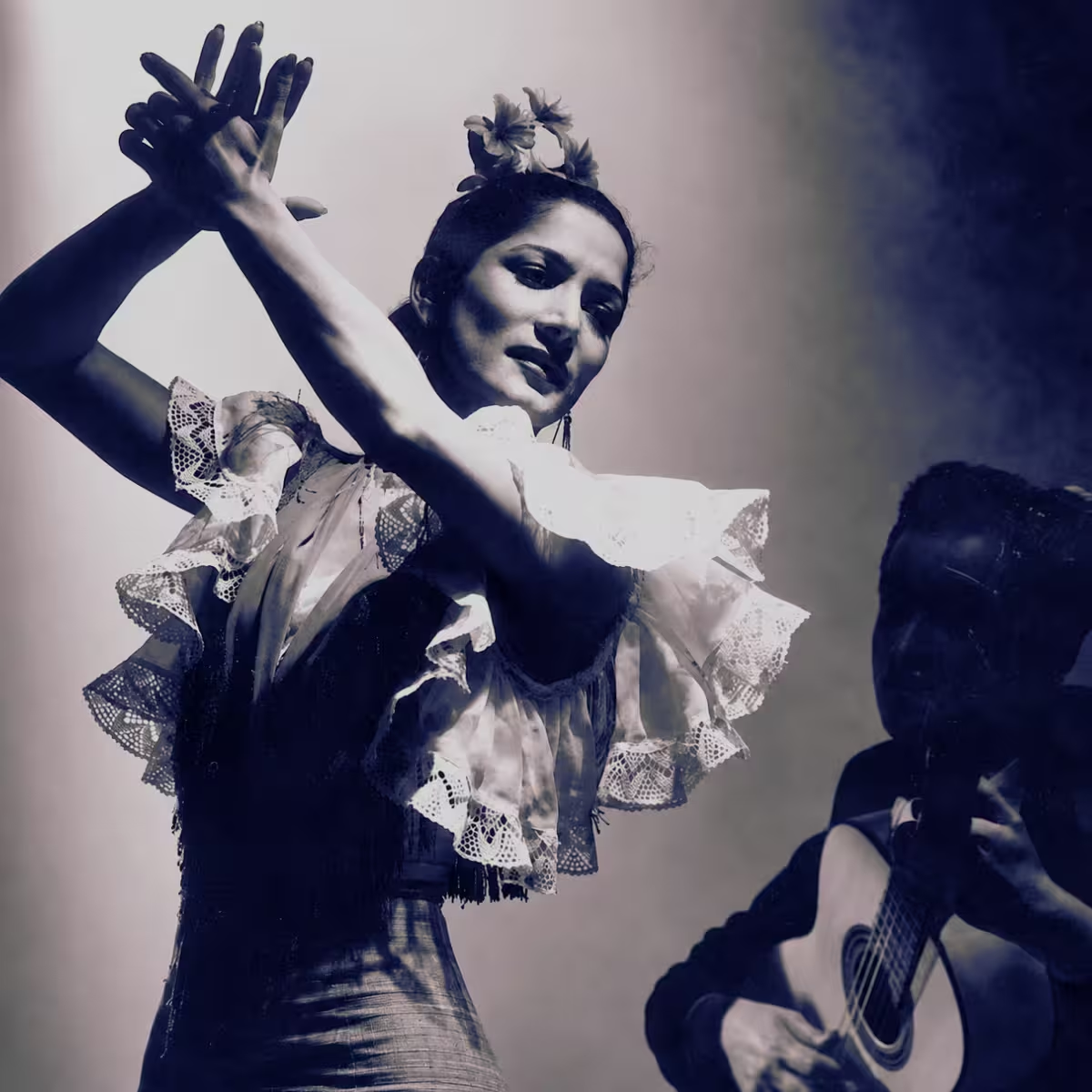
If there is one name that sums up the strength of female Flamenco dance, it is Carmen Amaya. Born in the Barcelona neighborhood of Somorrostro into a Gypsy family,
Amaya broke with all established norms: she danced with an energy and foot speed that until then were considered the exclusive domain of men, and she even wore trousers to be able to perform her footwork without limits. She triumphed on the stages of New York and Hollywood, and her name remains synonymous with authenticity and artistic rebellion.
La Argentina (Antonia Mercé), the one who brought dance to the great theaters
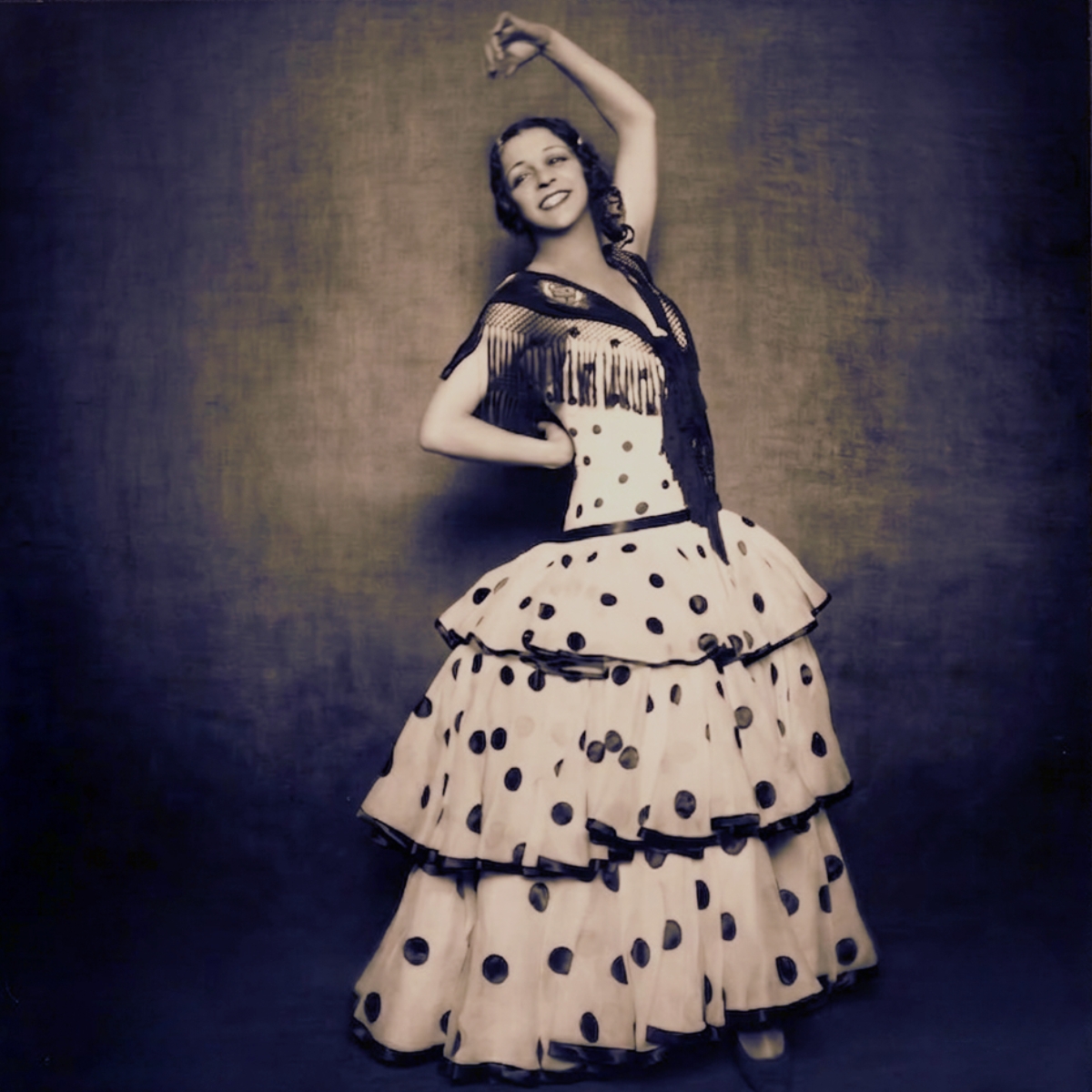
Antonia Mercé, known as “La Argentina,” was a true innovator. Also trained in the Escuela Bolera, she knew how to fuse that classical technique with Flamenco and take it to opera houses throughout Europe, something unthinkable in her time.
She was also a great promoter of Spanish concert music, collaborating with composers such as Manuel de Falla. She is considered one of the mothers of Spanish dance understood as an international prestigious performing discipline.
Pastora Imperio, elegance and song turned into dance
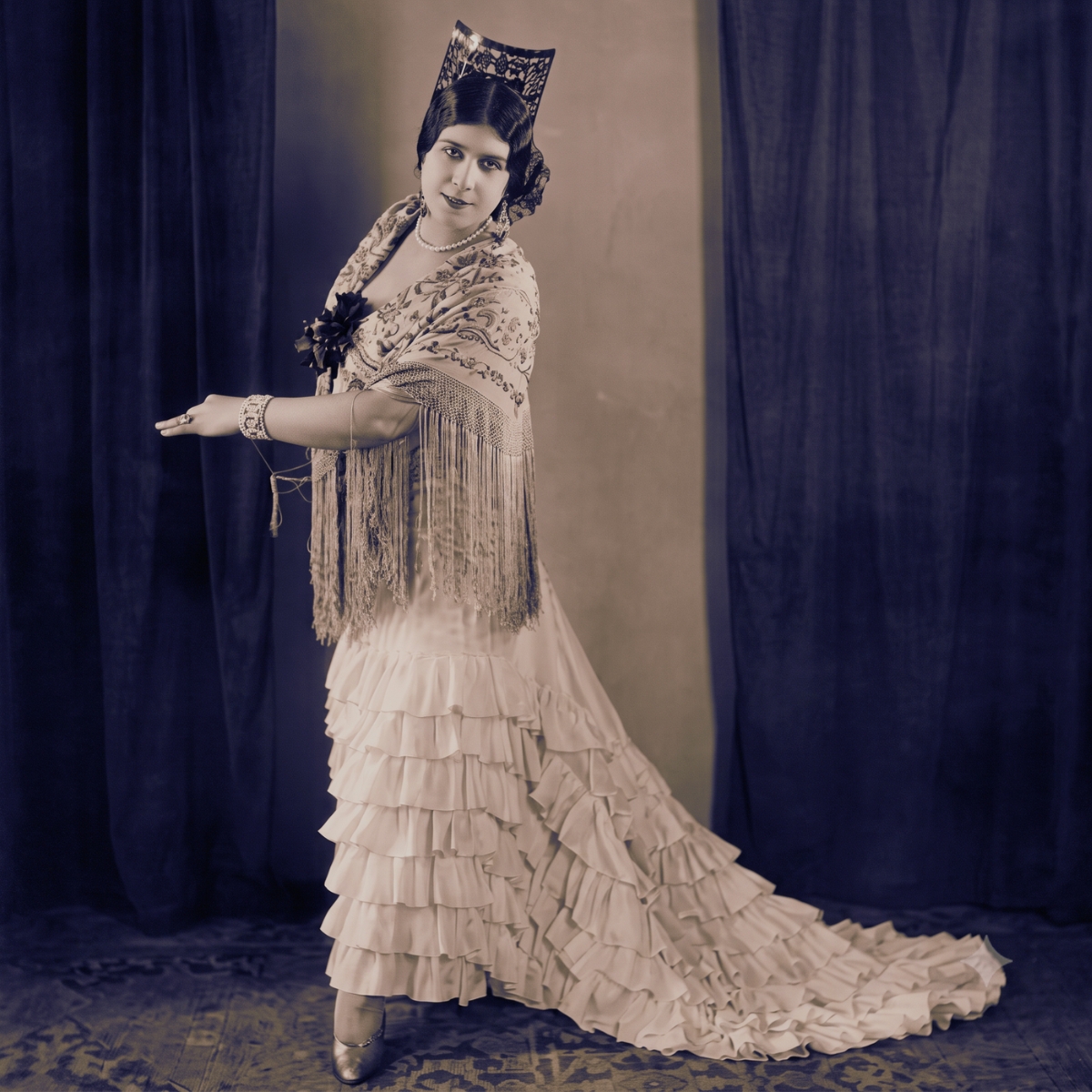
Pastora Rojas Monje, artistically known as Pastora Imperio, was one of the great figures of the first third of the 20th century. Born in Seville, she stood out for her natural elegance and her ability to merge dance with song in an almost theatrical way.
Her art transcended borders and contributed decisively to turning Flamenco into a spectacle, paving the way for the generations that would follow.
Encarnación López, “La Argentinita”
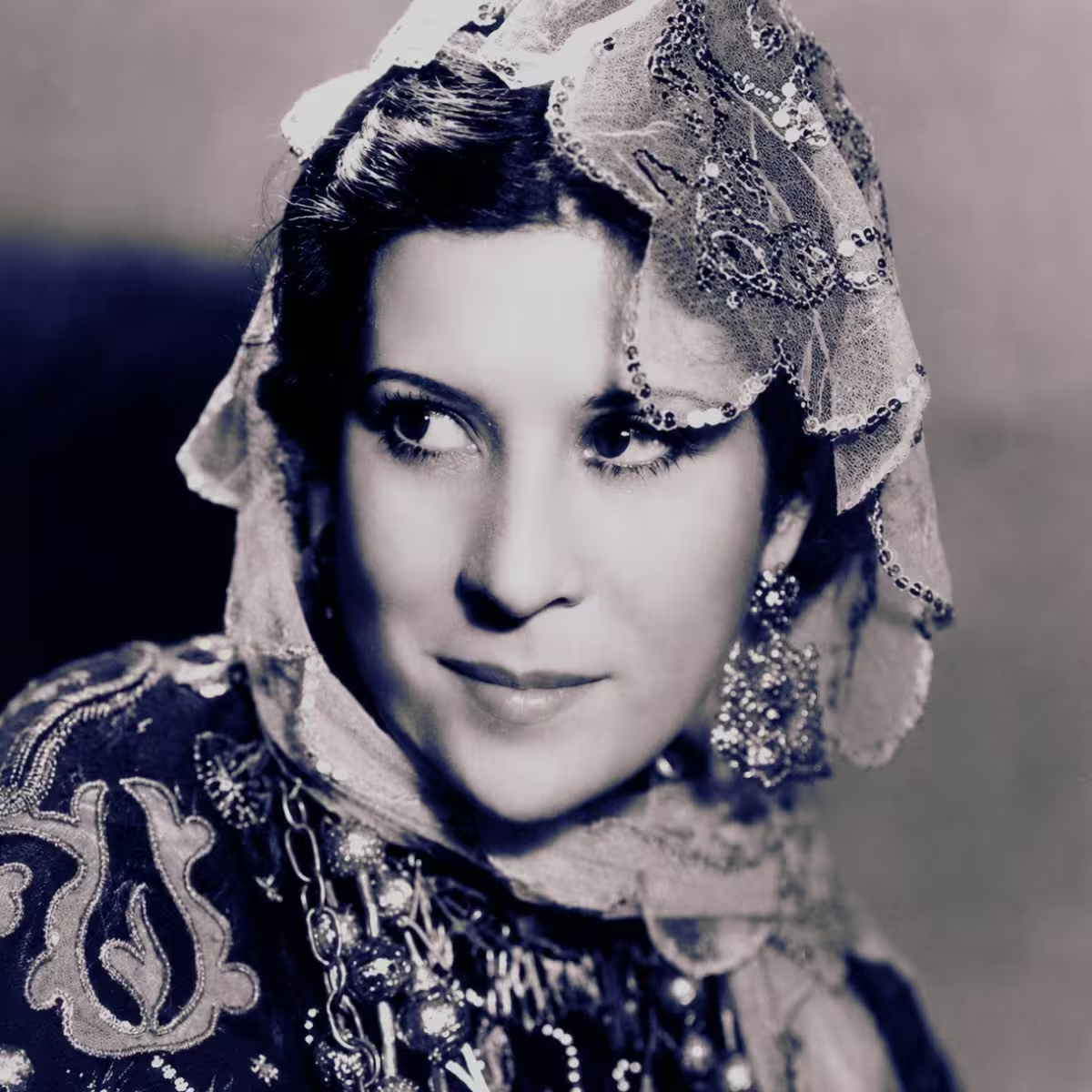
An artistic contemporary and rival of La Argentina (hence her nickname), Encarnación López was a choreographer, singer, and dancer, and a key figure in the recovery of Spanish folklore during the twenties and thirties.
She worked alongside Federico García Lorca in the collection of popular songs and took Spanish dance to Broadway, consolidating her prestige as one of the most complete artists of her generation.
Trinidad Huertas, “La Cuenca”
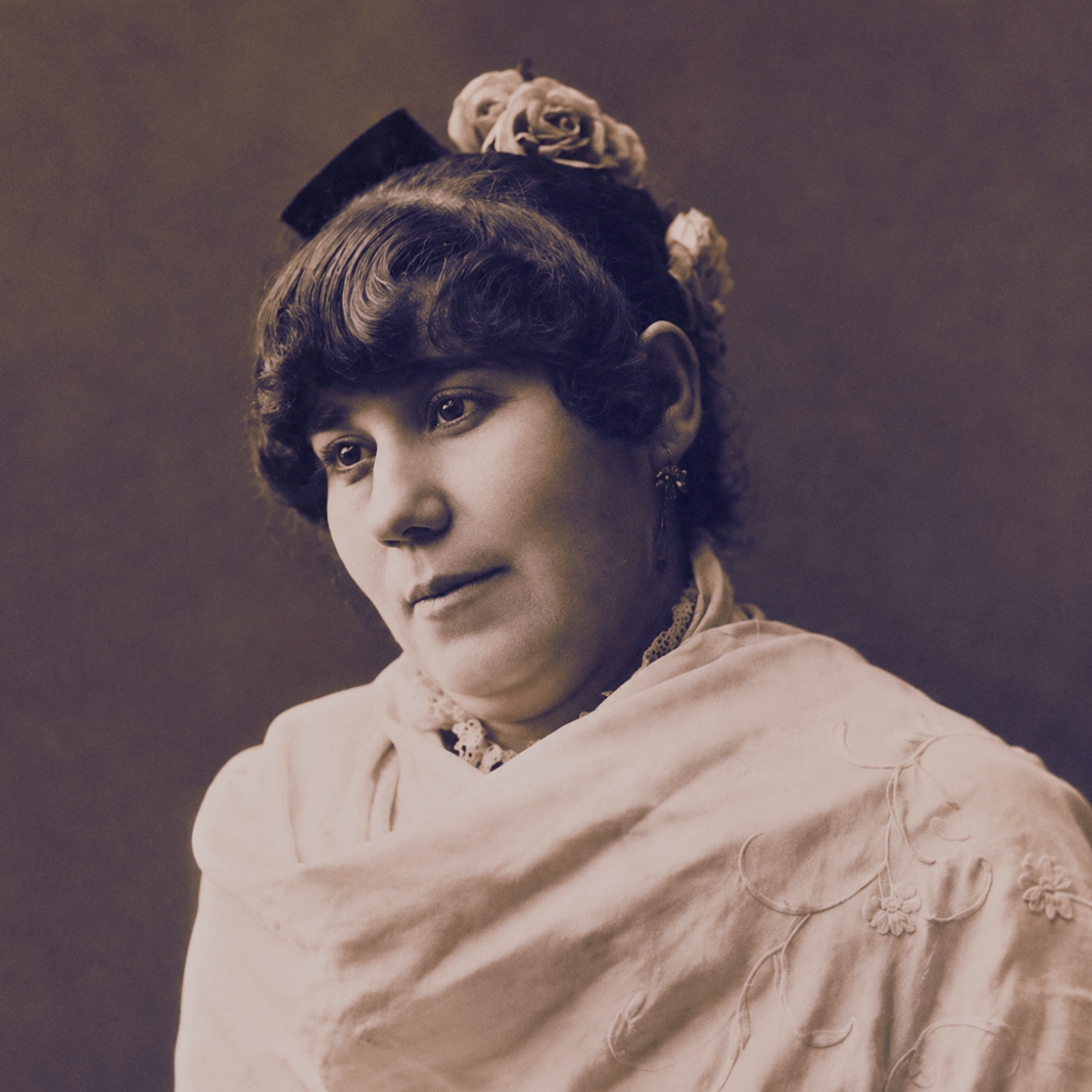
Less known to the general public but fundamental for aficionados, “La Cuenca” represents that generation of post-war dancers who kept the flame of dance alive in the tablaos of Madrid and Seville when Flamenco was going through times of scarcity and needed firm hands to ensure its jonda purity was not lost.
Manuela Vargas, the Sevillian force
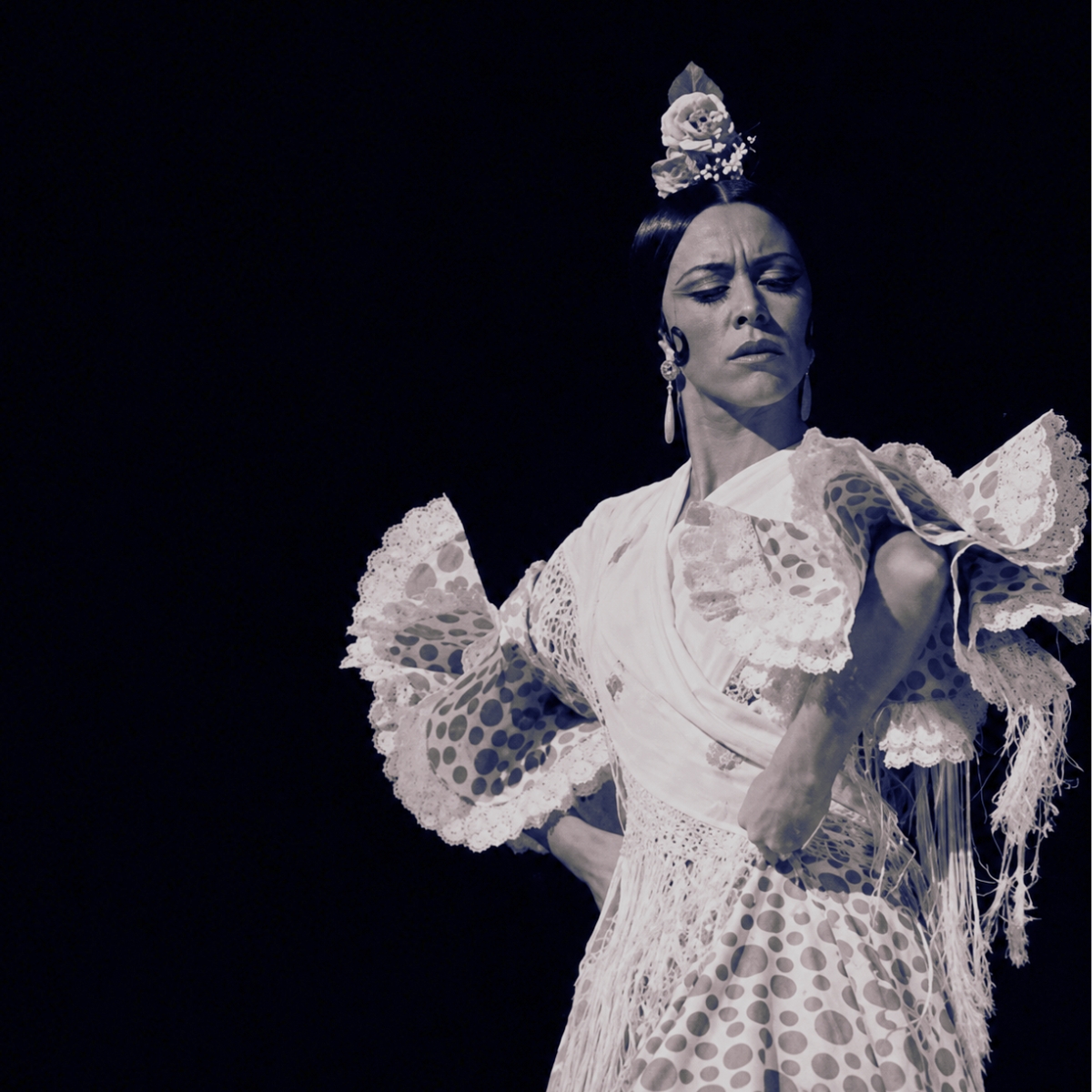
Manuela Vargas was one of the great dancers of bulerías and soleá, with an overwhelming stage presence. Her career, developed both in tablaos and in large international productions, made her an ambassador of the most Gypsy and visceral Flamenco during much of the 20th century.
La Chunga, magnetism and boldness
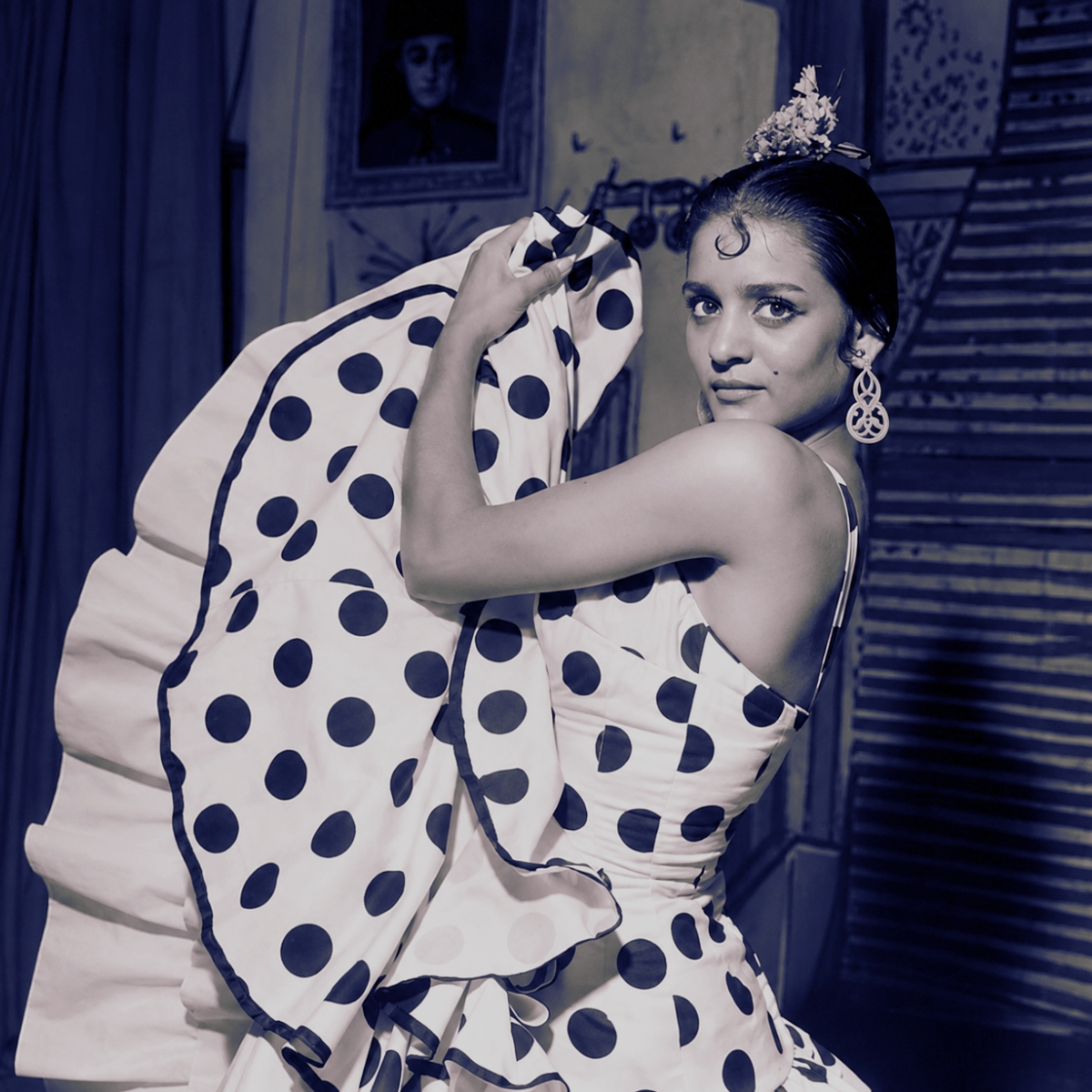
Micaela Flores Amaya, “La Chunga,” also part of Carmen Amaya’s family legacy, gained fame for her overwhelming charisma and her carefree way of being on stage.
Her dance, full of grace and self-confidence, made her one of the most beloved dancers of the Flamenco tablao during the sixties and seventies.
Cristina Hoyos, technique turned into art
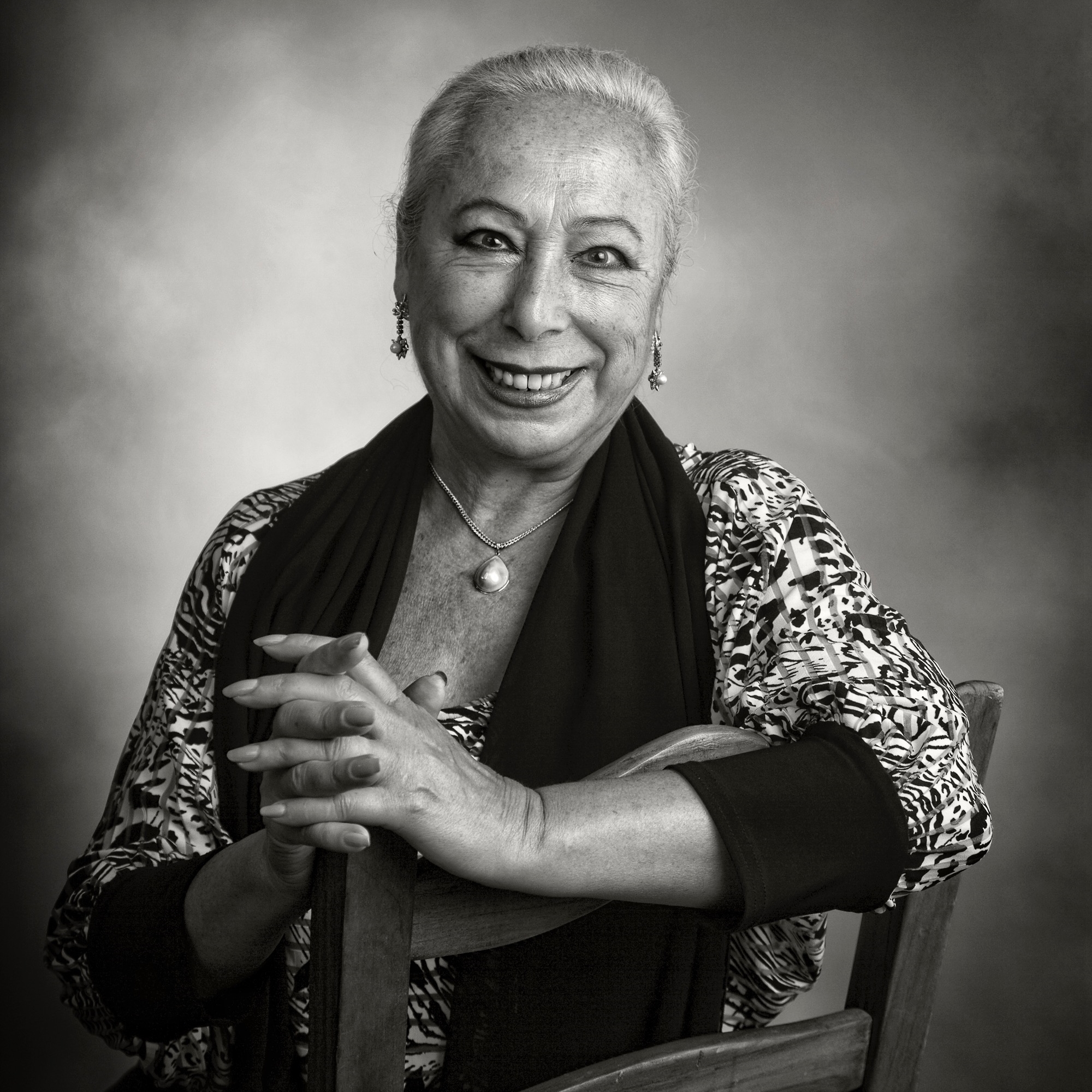
Cristina Hoyos is one of the most influential dancers of the second half of the 20th century. Her collaboration with Antonio Gades in films such as Blood Wedding, Carmen, or El Amor Brujo brought Flamenco to the cinema and to audiences who had never stepped foot in a tablao.
Her refined technique and expressive capacity made her a benchmark for several subsequent generations of dancers.
Merche Esmeralda, the Triana seal
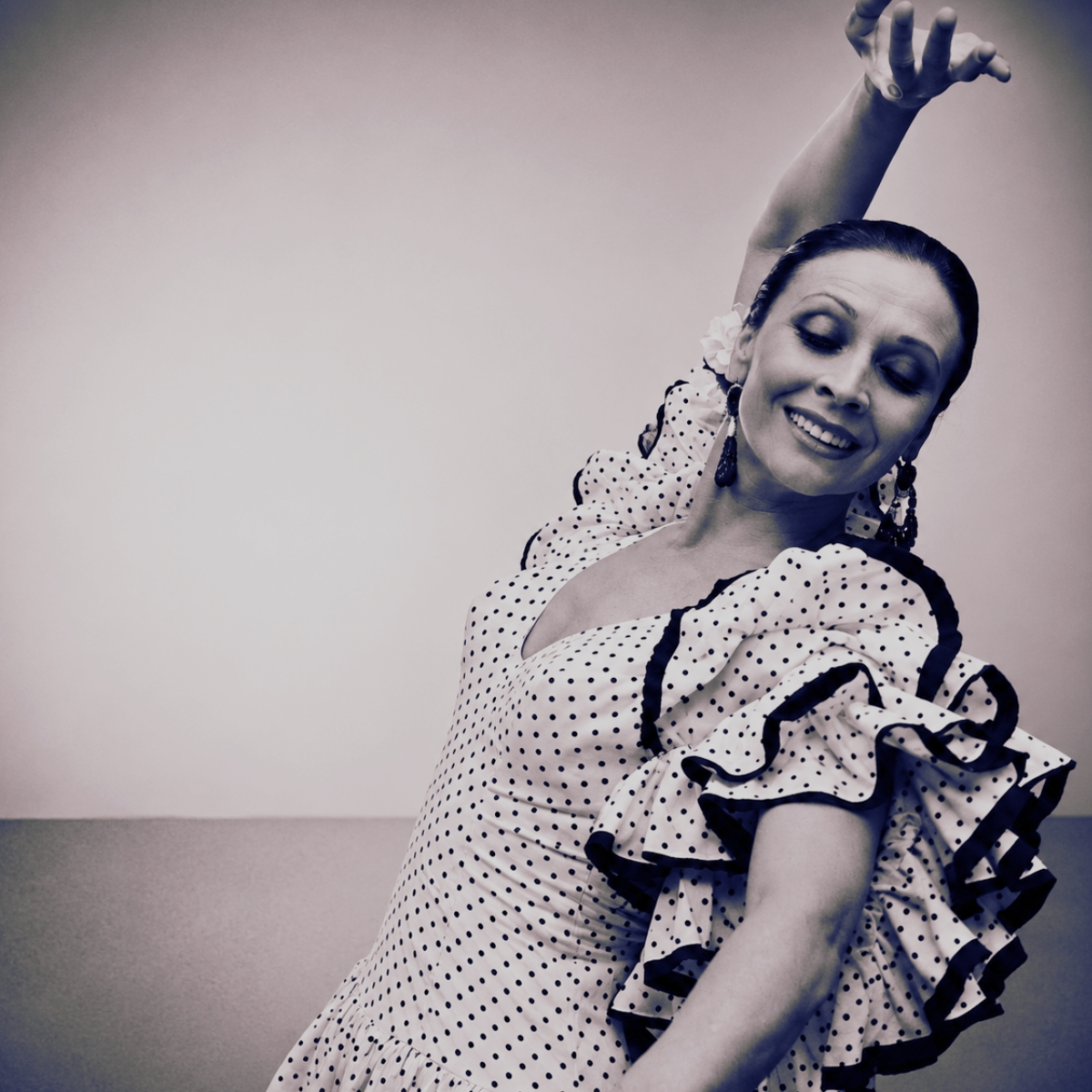
Trained in the Seville neighborhood of Triana, the historical cradle of Flamenco, Merche Esmeralda developed a style marked by purity of lines and enormous musicality.
For years, she was one of the most respected dancers of the Ballet Nacional de España, bringing rigor and depth to every production in which she participated.
Sara Baras, the most popular dancer of the present
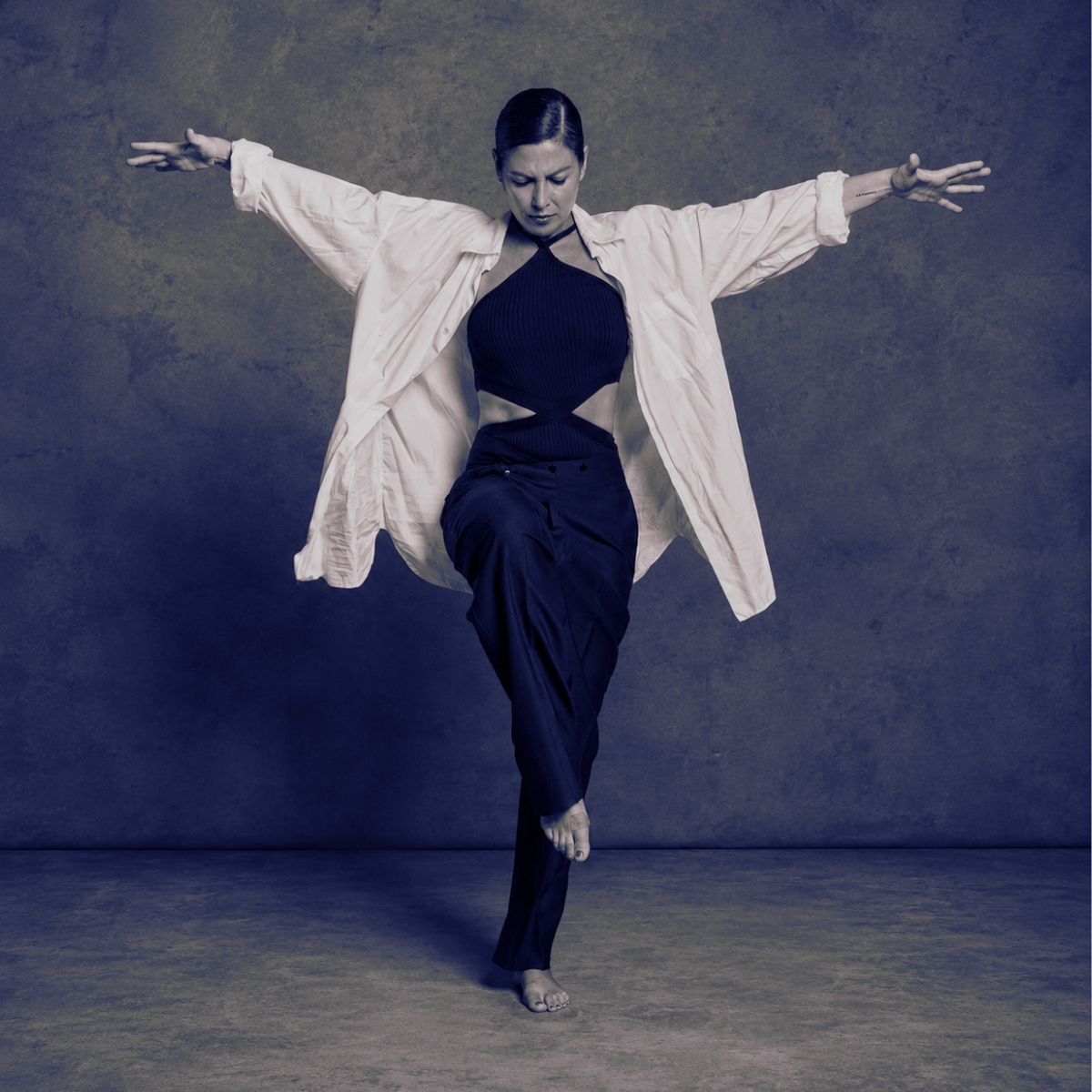
Sara Baras is probably the most recognizable name in current Flamenco outside specialized circles. Leading her own company since the late nineties, she has taken Flamenco dance to stages all over the world with large-format shows, combining the most classical tradition with a modern and very careful staging. Her popularity has been key to bringing Flamenco to new audiences.
Eva Yerbabuena, the avant-garde with roots
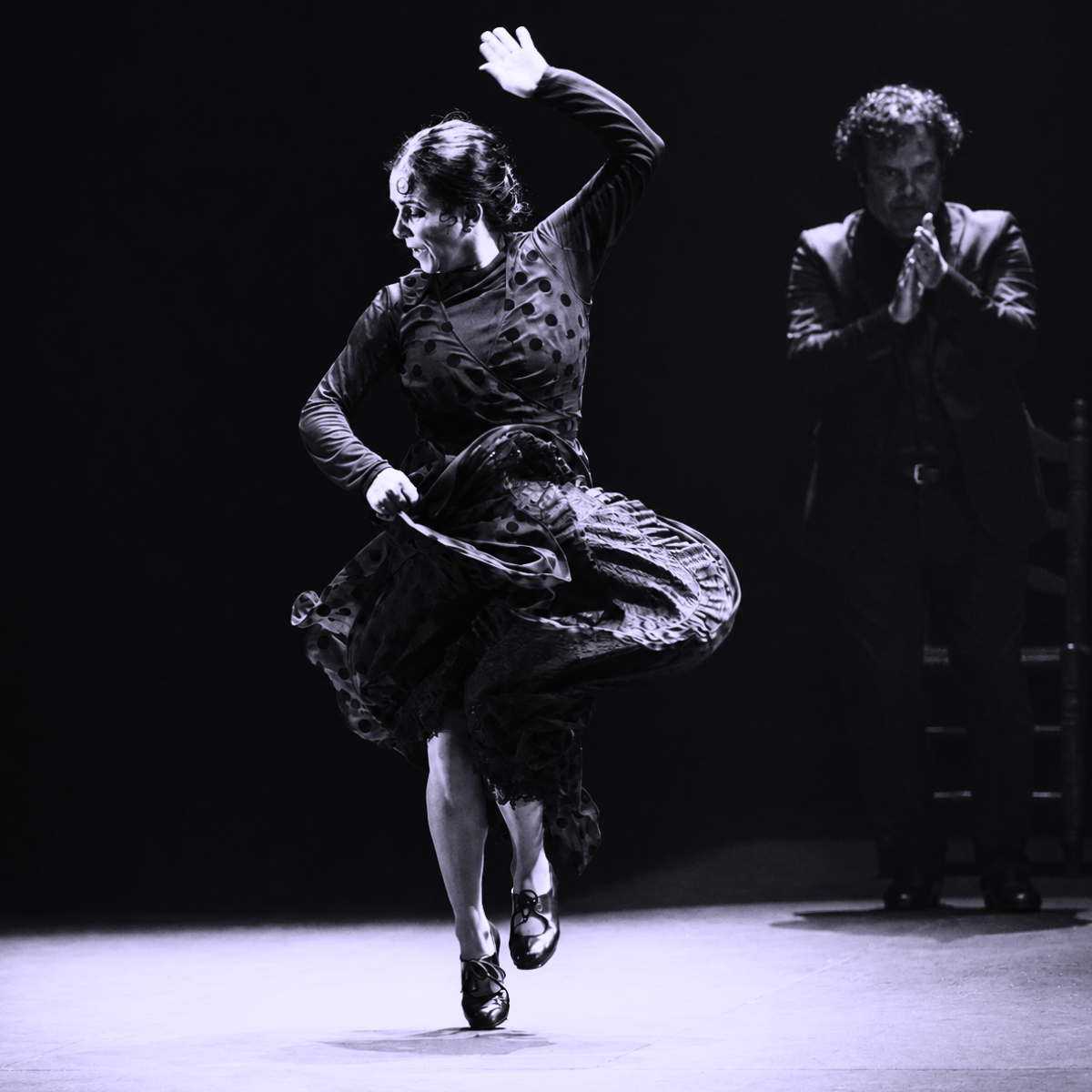
Eva Yerbabuena represents the generation of dancers who, without renouncing the orthodoxy of jondo dance, have known how to take it towards more contemporary terrains. Her company, based in Seville, has been internationally recognized for shows that combine a highly refined technique with an enormous emotional charge and a very personal aesthetic.
Rocío Molina, the contemporary breakthrough
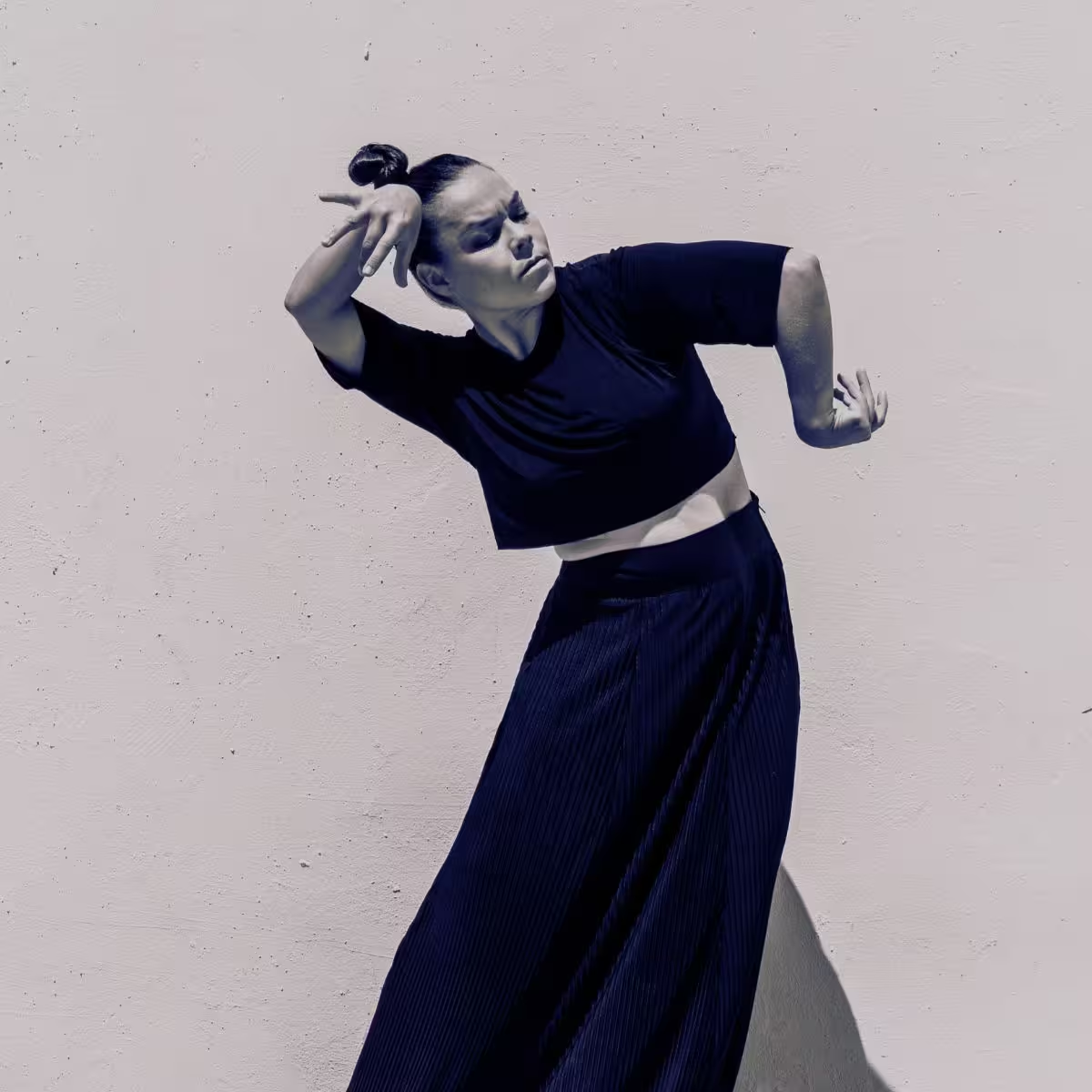
We close this list with one of the most groundbreaking voices of 21st-century Flamenco. Rocío Molina has taken Flamenco dance into the realm of performance and contemporary dance, without ever abandoning the beat or the jonda roots.
Her work, awarded at dance festivals around the world, proves that Flamenco remains a living art, capable of reinventing itself in every generation.
A legacy that keeps growing
This list, however extensive, leaves out dozens of essential dancers: Blanca del Rey, María Pagés, Manuela Carrasco, La Tati, Belén Maya, or Farruca are just some of the names that would also deserve a prominent place. And that is precisely the greatness of Flamenco: each generation contributes new voices without the previous ones ceasing to shine. From Carmen Amaya to Rocío Molina there is almost a century of history, but the thread that unites them is the same: the ability to turn pain, joy, and life itself into a few minutes of dance capable of moving even the most skeptical spectator.
Flamenco continues to evolve, and with it, its dancers. History, without a doubt, will continue to write new names.